


SOS Bracelet–Personal Safety & Medical ID Wristband
SOS Bracelet–Personal Safety & Medical ID Wristband


BUNDLE & SAVE
Couldn't load pickup availability
-
Ordered
- - -
Order Ready
- - -
Delivered

SOS Bracelet–Personal Safety & Medical ID Wristband


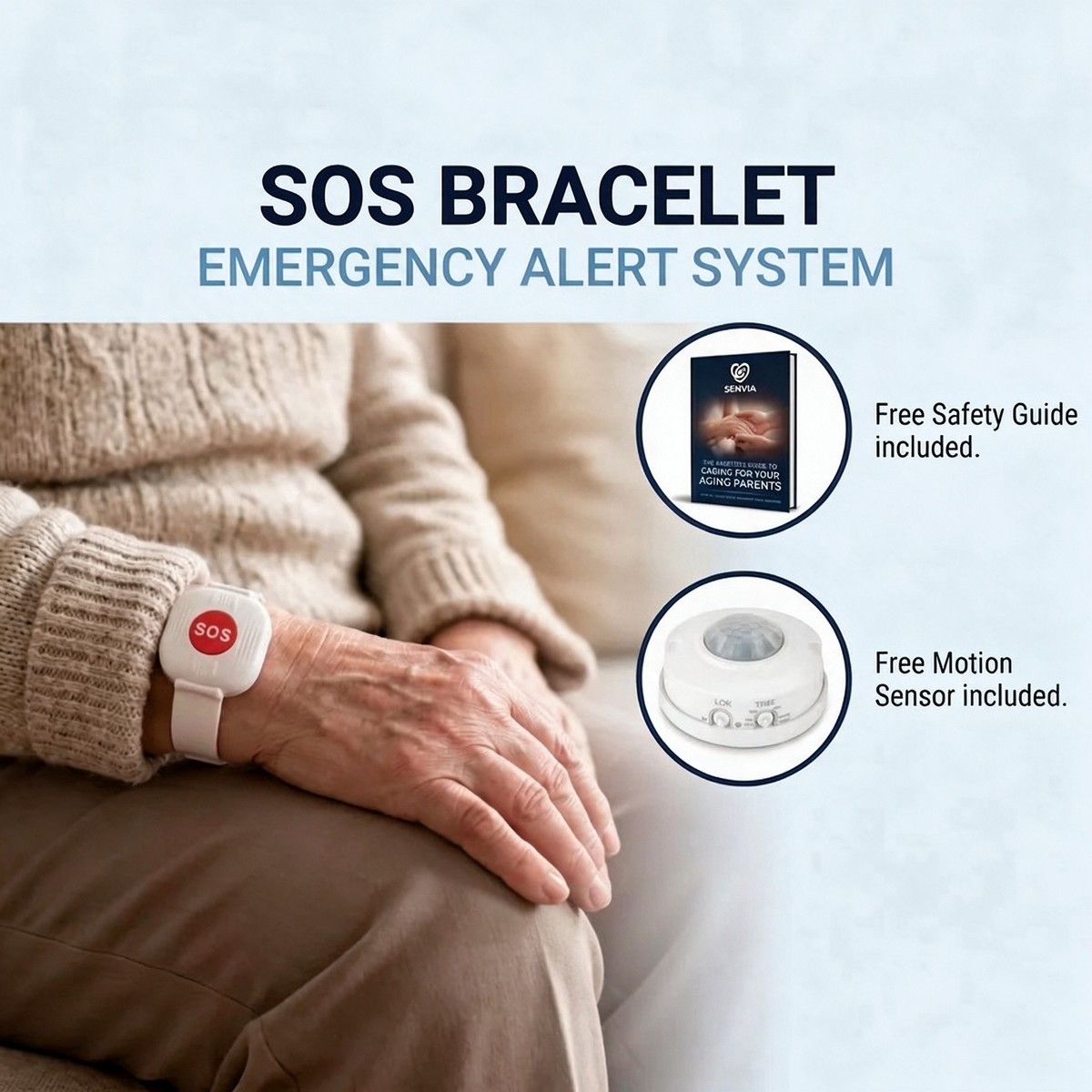
A small wearable for a thoughtful safety plan.
Keep a simple alert option close at hand as part of an everyday support routine. This wearable is designed to be easy to see, easy to wear and easy to include in a wider conversation about staying connected.
$39.95
Connection starts with a clear plan.
A personal alert accessory works best when the people around it know what it is for, what to do when it is used and how to reach each other. This page helps frame the product as one practical piece of that larger plan.
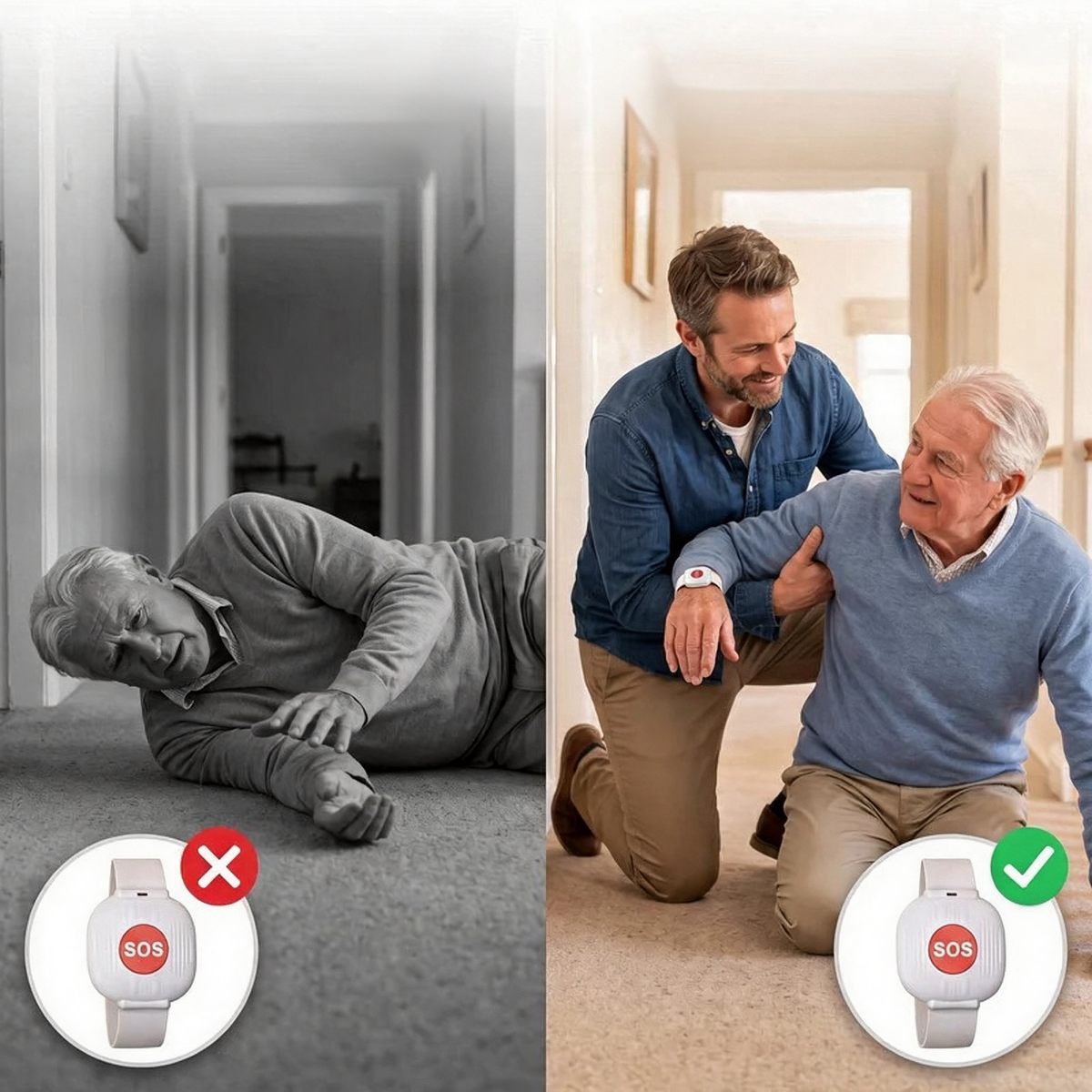
Make the next step easier to remember.
For an older adult, caregiver or family member, a visible wrist-worn alert can be a prompt to pause, communicate and follow the support process that has been agreed in advance.
Keep it in a comfortable, familiar place so it becomes part of the daily routine.
Talk through who should be contacted and what actions they should take if an alert occurs.
Revisit contacts, instructions and device setup whenever needs or circumstances change.
Four small steps before it matters.
Take time to read the product instructions and create a simple family plan. Exact functions, range, alert delivery and compatibility vary by model and depend on the specific product setup.
- Read the included instructions
Confirm what this model does, any required configuration and the conditions needed for it to operate. - Choose the right contacts
Keep the people named in the plan informed and make sure their details remain current. - Practice the response
Test the agreed alert process in a non-emergency setting so everyone knows the next step. - Keep a backup plan
Maintain access to a telephone, local emergency numbers and other care arrangements.
Use the accessory as part of ongoing care and communication.
Technology, products and routines work better when people review them together. Treat the wrist alert as one touchpoint in a broader approach to wellbeing, connection and emergency readiness.
Confirm the function
Check the manual for the model’s actual alert method, limitations and any compatible accessories.
Keep it reachable
Set the fit so the wearer can use it comfortably as intended in daily life.
Test regularly
Follow the manufacturer’s testing guidance and review the response plan with contacts.
Know the limits
Never rely on a consumer alert device as the only route to emergency assistance.
Make check-ins part of the routine.
A wearable alert accessory can open an important conversation: who should be contacted, how to reach them, what a caregiver needs to know and where emergency information is kept.
Know the product before you depend on it.
Use this checklist to make sure the device, the wearer and the family support plan are all aligned before use.
Helpful answers before purchase.
This page deliberately avoids unverified technical or medical claims. Review the included documentation and confirm the exact capabilities of the item you receive.
Does this replace emergency services?
No. Call local emergency services directly whenever immediate medical or personal-safety assistance is needed.
Is it a medical device?
Do not assume medical monitoring, diagnosis, fall detection or treatment functionality unless the manufacturer explicitly documents and certifies it for this exact model.
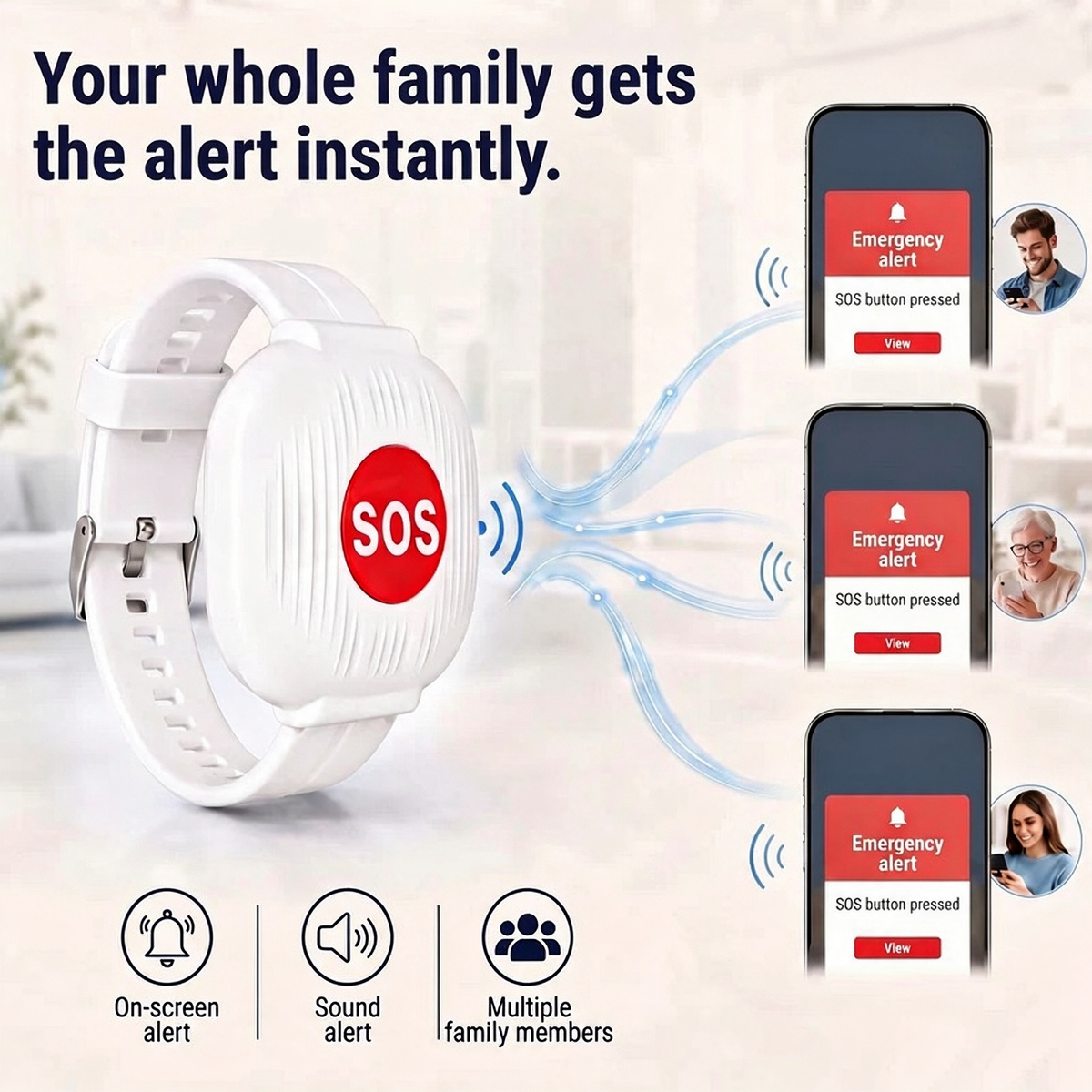
How are contacts reached?
The answer depends on the specific model, setup and connectivity. Confirm the process in the official instructions before relying on it.
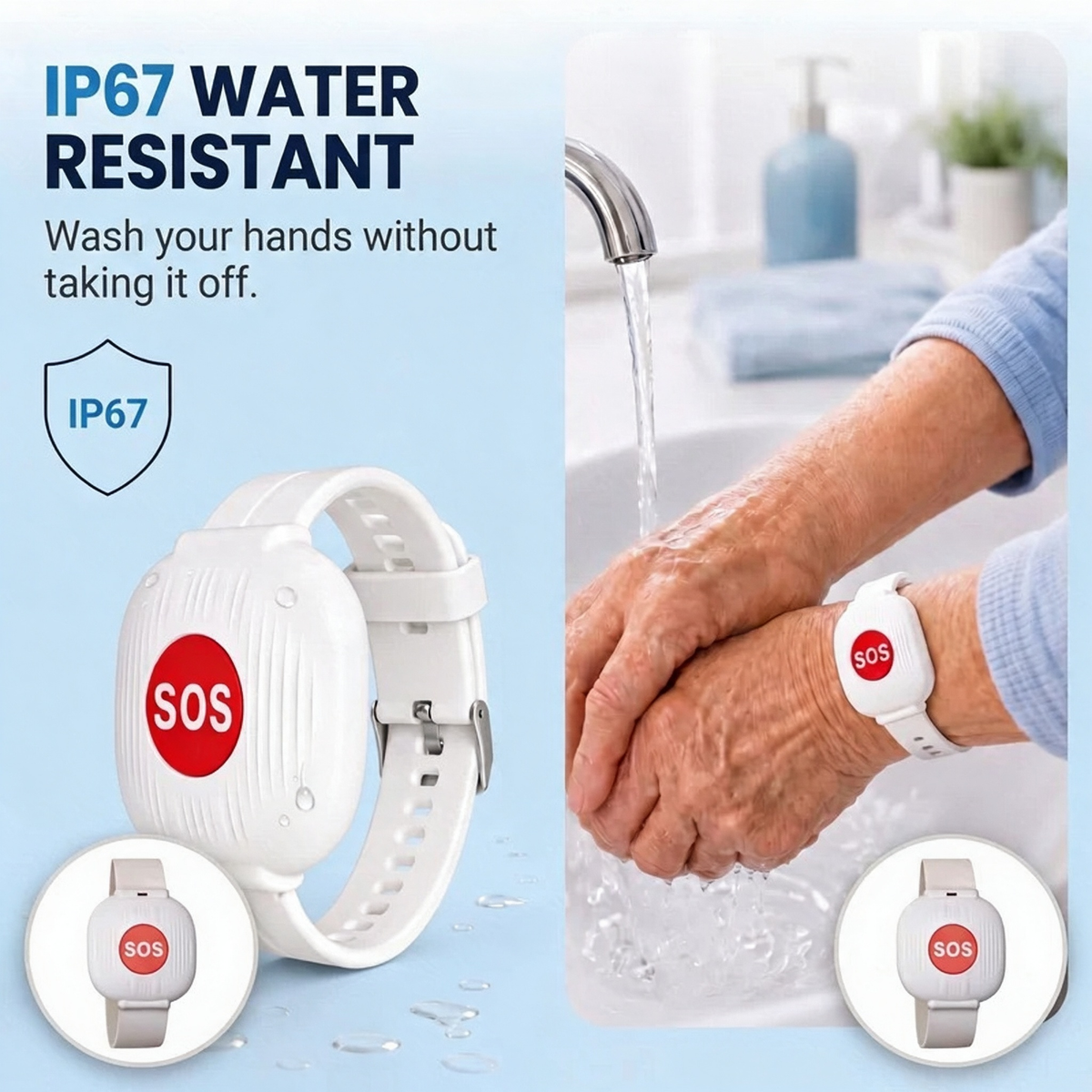
Can it be worn in water?
Only if the exact product documentation states a relevant water-resistance rating and use conditions. Check the manual before exposure to water.